


Made in the Netherlands, for families at home

Dop Is Kwijt

A short story that helps a toddler give the dummy away on purpose — and a quiet routine for the parent holding the other hand.

  • Ages 2–4
  • One bedtime
  • No reading needed

The dummy does not get lost by accident

Most pacifier advice ends the same way: one evening the dummy is gone, and a two-year-old who cannot yet ask what happened spends the night finding out. It works, often. It also costs a few hard nights that nobody enjoys, least of all the child.

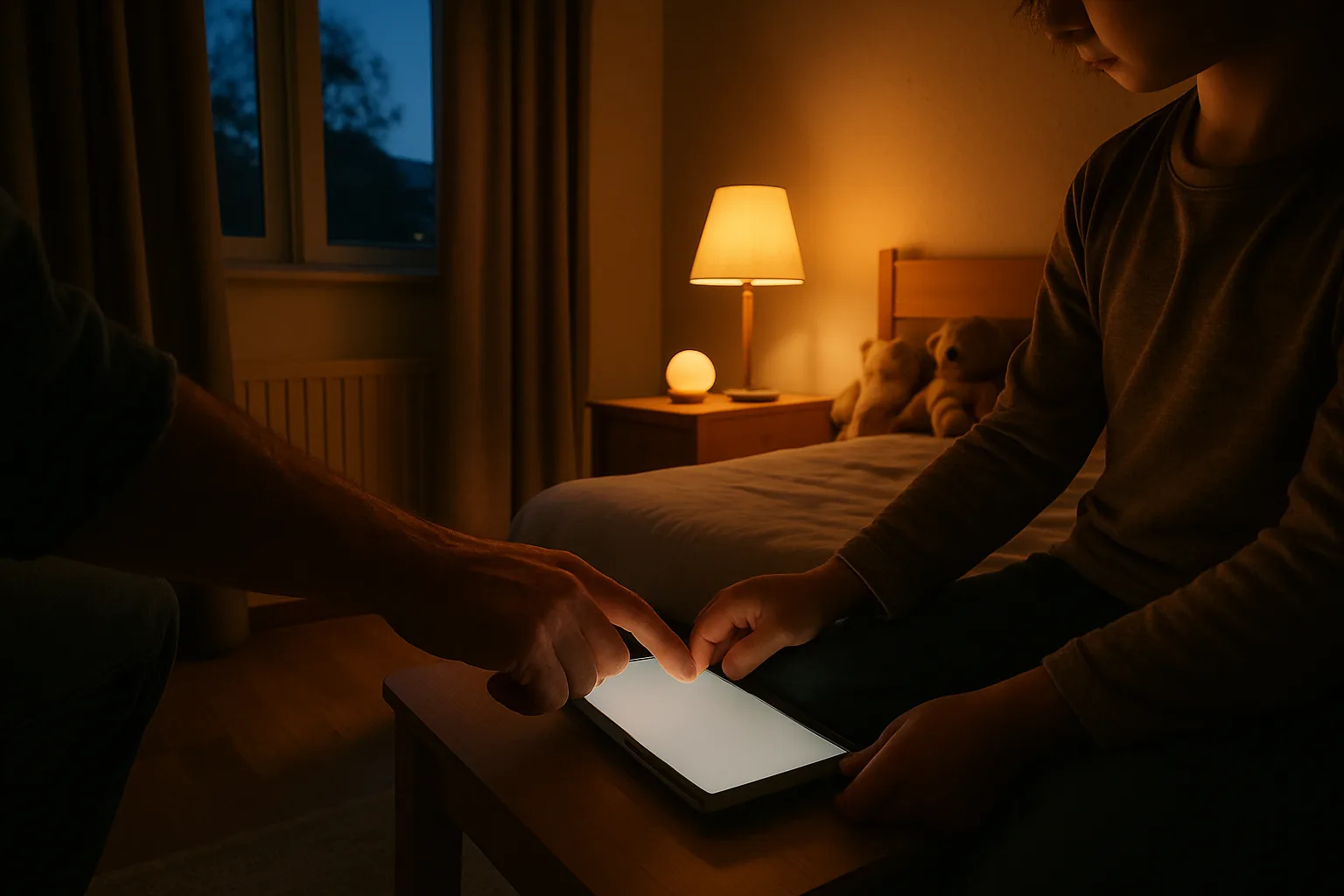
Dop Is Kwijt takes the other route. The dummy is not taken — it is given. The story gives the child a reason, a moment and a small job to do, and it happens while the parent is sitting right there. The ending is the same ending; the child arrives at it as the one who decided.

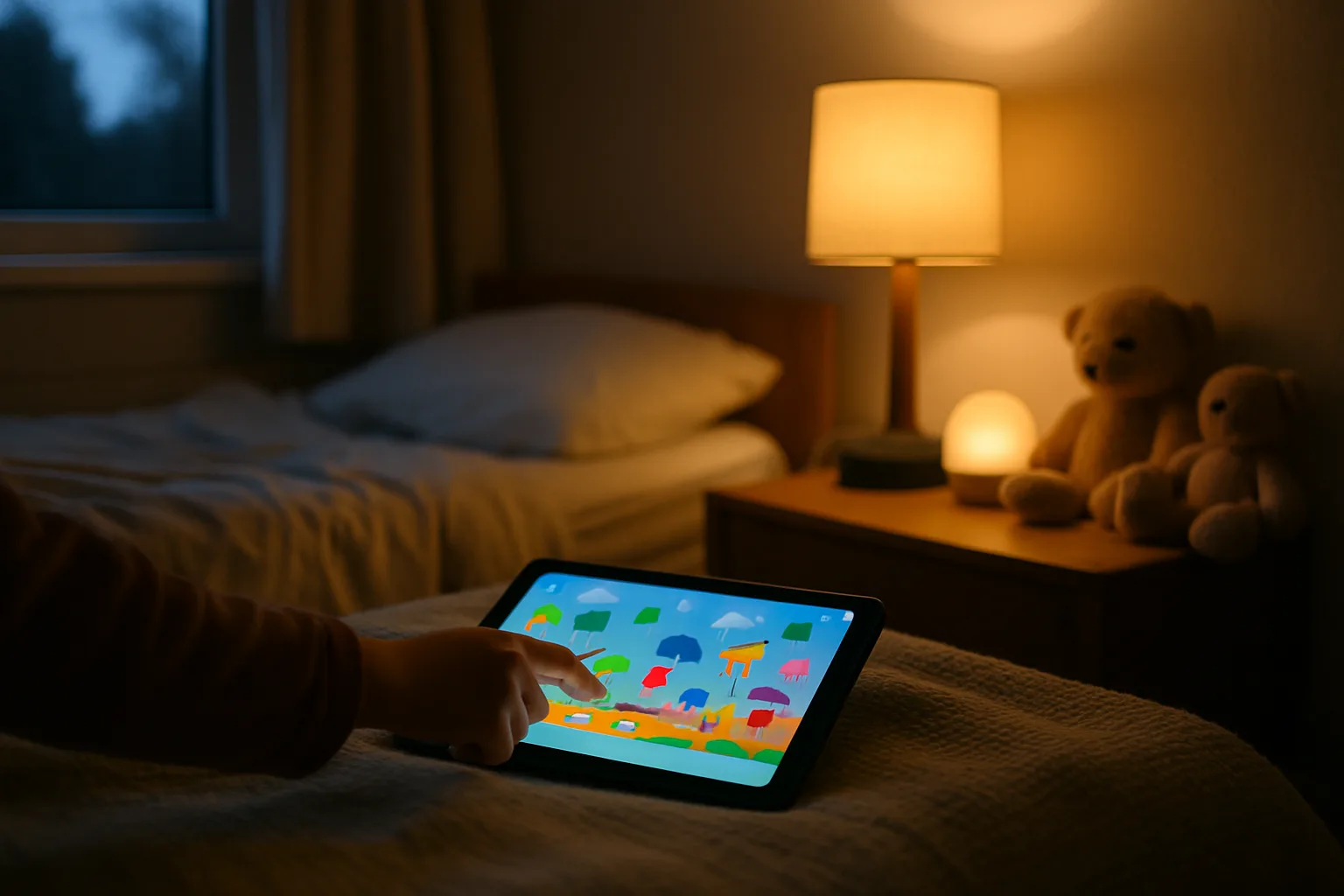
The story runs about as long as a picture book. There is nothing to read: the words are spoken, the pages turn with a tap, and the child is asked to do one thing at a time — wave, wrap, press, wave again. On the last page the dummy is somewhere else and the child has a certificate with their own name on it.

What is actually inside

The farewell story

An illustrated story in which the dummy is passed on, not confiscated. Narrated out loud, so a child who cannot read follows every word. The child's own name can be spoken in it.

A bedtime routine for the goodbye week

Seven short evenings, one screen each: what to say tonight, what to do with the dummy tonight, and what to do when the asking starts again at two in the morning.

Tap-and-play pages for small fingers

Big targets, no menus, no timers and nothing that can be bought by accident. A toddler can hold the phone alone without ending up somewhere else.

A certificate with their name on it

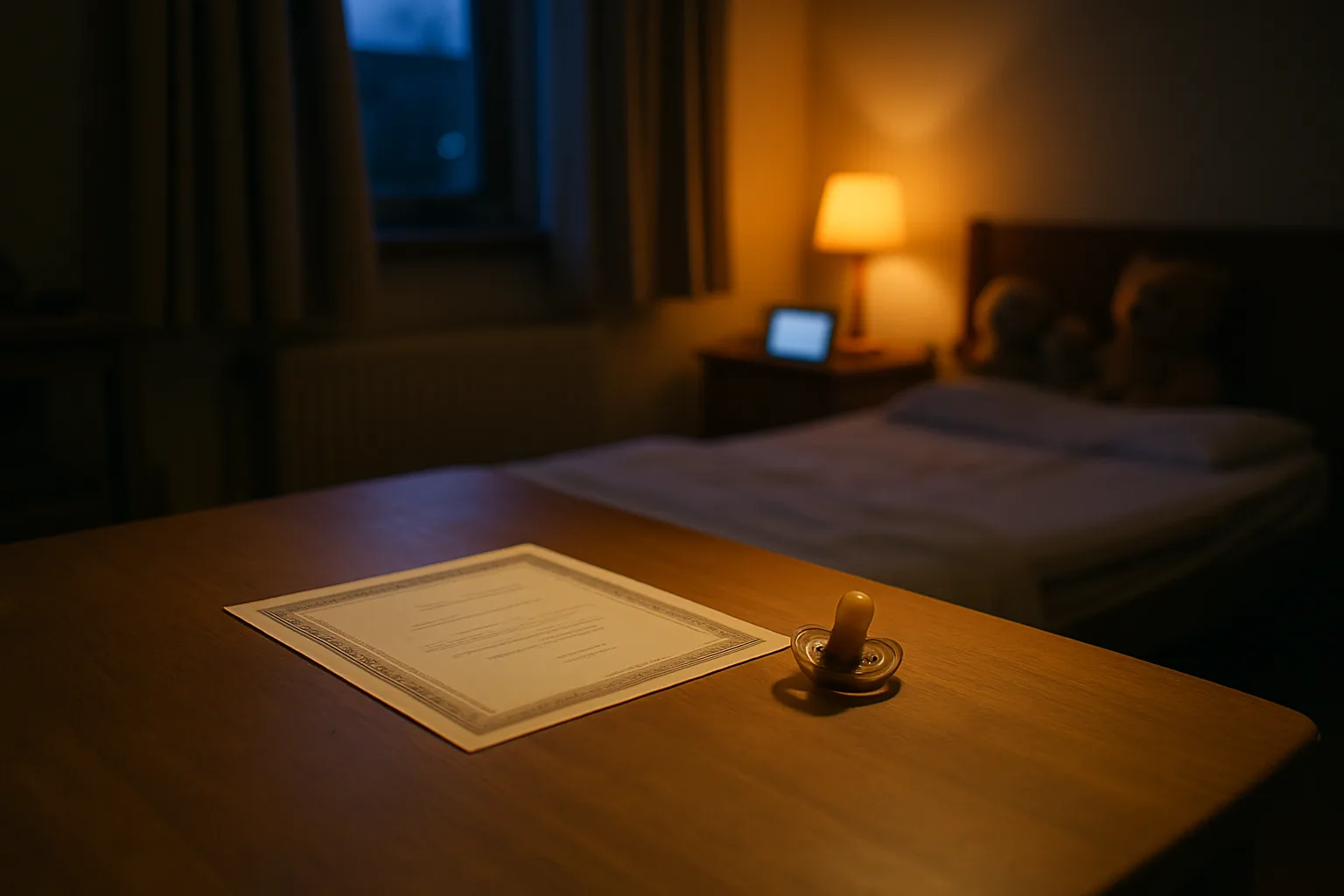
Filled in at the end of the story and kept in the app, or printed on an ordinary home printer and put on the door. Children ask to show it to people — that is the point of it.

Parent tips, written plainly

How to pick the evening, what to do about the daytime dummy, how long the restless nights usually last, and what to say to grandparents who keep a spare one in the drawer.

What you can ask us for

Tell us which of these fits your situation and we will point you at the right one.

Most asked for

Family access

The whole thing for one household: the story, the goodbye week and the certificate, on the phones you already use.

  • The narrated farewell story
  • Seven-evening bedtime routine
  • Tap-and-play activity pages
  • Printable certificate

The goodbye week on its own

For families whose child has already said goodbye and needs the nights after it held together.

  • One screen per evening
  • Night-waking suggestions
  • Daytime dummy plan
  • Parent tips

Certificate pack

The keepsake side: a certificate to print, plus a small card to send to the grandparents who ask how it went.

  • Named certificate to print
  • Door card for the bedroom
  • Photo page for the family album

Childcare and playgroup use

For groups where several toddlers reach this step in the same month and the leaders want the same words as the parents.

  • Shared story access for the group
  • Matching routine for home and group
  • Certificates for each child

Nothing here is a medical programme. It is a story and a routine, written for ordinary toddlers and ordinary tired evenings.

How it goes from here

  1. You write to us

    The form at the bottom of this page. One line about your child's age and how attached they are to the dummy is enough — you do not have to explain the whole situation.

  2. We reply with the right starting point

    Which of the options above fits, how to set it up on your phone, and whether this is a good month for it at all. Sometimes the honest answer is to wait a few weeks.

  3. You pick the evening

    A calm one, nobody ill, no new bed, no first week at a new nursery. The routine tells you what to put in place the day before so the story is not a surprise.

  4. The goodbye night

    You read it together, the child does the handing over, the certificate gets their name. Then the week of short evening screens keeps the story going until nobody mentions the dummy any more.

A note for the parent, not the child

We will not tell you this takes one night. For some children it does. For others there are two or three broken nights where the dummy is asked for in a small, furious voice at three in the morning, and the only thing that helps is that you both already know how the story ended.

That is what the goodbye week is for. It gives you the same sentence to say every time, so the answer does not change depending on how tired you are — and a child who hears the same answer twice stops testing it.

Two things we think are worth saying plainly. Give it back if you need to; starting again next month is not a failure, and the story still works the second time. And keep the certificate where the child can see it, because on the fourth day it does more arguing than you will.

If you are not sure whether your toddler is ready, write to us and describe them. We would rather talk you out of a bad week than sell you one.

Ask us about your toddler

Leave your name and email and tell us where you are with the dummy. A person reads it and writes back.

  • One of the two people who made the story answers — there is no call centre here.
  • You get a straight recommendation, including 'wait a while' if that is what fits.
  • Your details are only used to answer you. No newsletter unless you ask for one.